1. Add JPG files
Actual JPEG markers and dimensions are validated.

Reduce a JPEG’s file size for a form or attachment. Adjust the quality and inspect the saved copy.
Browser image decoding and the Canvas 2D API handle supported pixels locally.
The tool loads its interface and processing files from the site. This workflow handles the contents you select or enter in the browser.
File picker filter: image/jpeg, .jpg, .jpeg. The selected file must also pass this tool’s content and decoder checks.
Limits are safeguards, not a guarantee every file below them will process. Complex files and device memory can require a smaller input.
File content is validated before processing; filename extensions are not trusted by themselves.
or choose files from your device
Select a queue item to inspect input and output.
Actual JPEG markers and dimensions are validated.
The browser creates a new lossy JPEG at the selected quality.
The selected quality is the maximum. When needed, up to eight settings are tested to keep the download within the original byte count. Each result shows the actual setting or that the source pixels were retained.
The browser encodes the displayed JPEG. If this would increase its size, the tool checks whether the original image data can be reused with the same displayed pixels and without private metadata.
An already optimized JPEG can stay the same size. The file row shows the original and final byte counts.
Canvas encoding runs in this browser tab; this plugin implements no compression upload endpoint.
Yes. JPEG quality is a lossy encoder control.
Compression downloads omit source EXIF, IPTC and ICC metadata. The source file on your device is untouched.
Yes, up to 25 validated JPG/JPEG files per batch.
toBlob() accepts JPEG output and a lossy quality argument. MDN Canvas toBlob().QUICK ANSWER & TOOL GUIDE
Use the JPG compressor to re-encode a supported still JPEG at a chosen quality setting. Compare the output bytes and visible detail before sharing the smaller copy by email or using it in an upload form.
Important: This JPEG compressor is lossy. It cannot promise zero quality loss, a smaller result for every source, or acceptance by an email provider. Keep your original.
Need help with a file or download? Read the image tool help center.

Try a moderate setting, then compare the saved bytes and detail. Check the final size if your email service or upload form has a limit.
Adjust quality in steps and check small text or texture after each save. Compare against the attachment limit.
JPEG is particularly useful for shrinking photos that are larger than a mail or upload form allows. Start by deciding what the image must communicate. A photo for a product catalog may need fine texture, while an image of a receipt needs legible numbers. Judge the export by that detail before choosing the lowest file size.
Avoid repeatedly saving the previous lossy copy when testing several settings. Make each attempt from the same original and choose the best balance. For a photo with large dimensions, a smaller permitted size can give a better result than keeping all the pixels at much lower quality.
Zoom into outlines, small text, skin tones, and smooth gradients. Block-like edges and spreading color near lettering can be more visible than changes in a photo’s flat areas. Also look at the picture fitted to the size the recipient will actually see.
A file that was already optimized may encode efficiently at its current settings. Compare actual bytes after conversion. Keep the original when it already meets the requirements, or try a more suitable output quality or a permitted smaller pixel size from that original.
Start with useful groups, such as photographed documents and ordinary pictures. An export that looks fine for a scene can be too soft for a document. Inspect one of each type first and keep the more detailed output for pages where the information is hard to read.
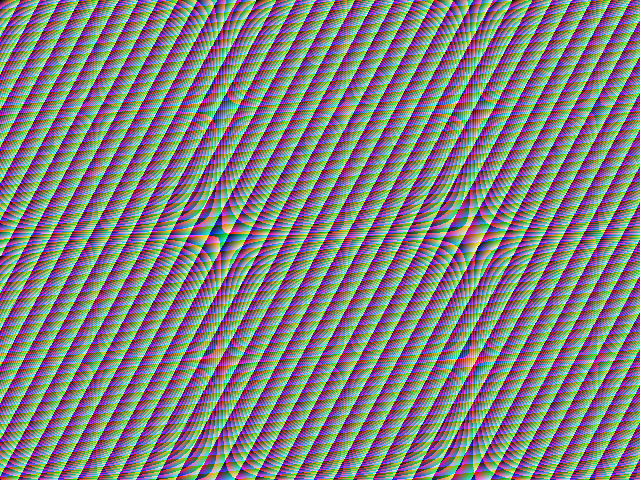
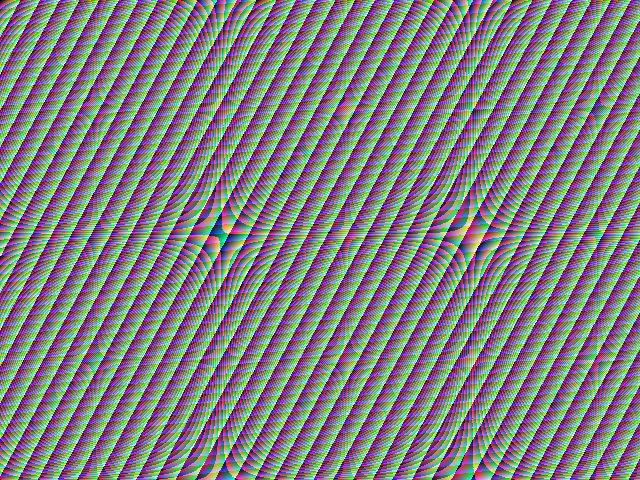
The compressed JPG used fewer bytes and retained its 640 × 480 dimensions. Inspect detail at the size you will use the image.
Add the textured JPG, set JPG quality to 82% and select Compress JPGs.
Recorded on using Chromium 151.0.7922.34 on local WordPress 7.1.4. Each result describes the sample and settings shown. File size and visual quality can vary by image, settings and browser encoder.
Check the actual bytes shown after compression. If the destination can use fewer pixels, resize a copy and compress that result. For fine text, inspect detail at 100% before choosing a lower quality.

Focused tools with explicit format behavior and real output checks.